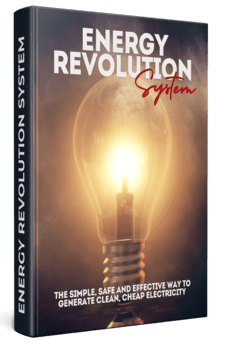
Brand Discovery: What the Energy Revolution System Promises
The Energy Revolution System positions itself as an accessible energy breakthrough, packaged as a $39 PDF guide. For brand discovery, that matters because a clear, consistent message helps buyers understand what they are purchasing before they ever request support. The marketing angle centers on ClickBank refund the idea of generating free or near-free electricity, which naturally attracts people who feel frustrated by rising utility costs. However, strong claims should always be matched with transparent explanations of how the method works in everyday conditions.
From a buyer’s perspective, the most important part of discovery is identifying what’s actually delivered. A PDF product can include research summaries, experiments, or instructional frameworks, but it cannot replace real-world components if the method requires hardware. The branding around “free energy” can create excitement, yet it can also blur the boundary between educational content and a practical electricity generator. If you’re evaluating the brand, look for specifics such as the required materials, safety steps, expected output, and the exact process that leads from setup to results.
Price and Purchase Path: Understanding the Real Cost
The stated cost for Energy Revolution System is $39, but brand discovery should go beyond the headline number. Many buyers encounter upsells, add-ons, or different checkout flows that can change the total amount charged. Before confirming payment, it’s wise to review your cart and payment confirmation carefully so you know what you’re buying and what you’re not. Clear branding should make it easy to verify the complete purchase, not leave you guessing after the transaction.
It also helps to understand how digital products are typically delivered through the merchant’s platform. When you buy through ClickBank, your access timing, refund window, and support route are often tied to that platform’s policies. If you’re trying to validate the brand’s trustworthiness, pay attention to whether the seller provides a straightforward refund pathway and responsive customer service. A brand that is confident in its product usually supports buyers with clear instructions for obtaining help or resolving issues.
Refund Readiness: How to Think About a ClickBank Refund
The key point for brand discovery is to treat refund readiness as part of due diligence, not as a last resort. When a refund policy is easy to understand, it signals that the company expects questions and supports customers through the process. Conversely, unclear refund steps can be a red flag, especially when the product makes bold promises.
ClickBank generally allows buyers a window of time to request a refund, commonly referenced as a 60-day policy. If you’re assessing Energy Revolution System, you should read the policy details directly in the purchase environment rather than relying on third-party summaries. Keep your confirmation email, order ID, and any receipt screenshots so you can reference them quickly if you need assistance. This is also where brand discovery becomes practical: a reputable product experience includes clear documentation for returns, not confusing barriers.
To stay organized, some buyers track two lists: what the product claims and what it actually provides. If the guide is primarily conceptual, it should say so, and if it claims operational electricity generation, it should include verifiable steps. If you begin reviewing the material and notice missing details—like component specifications, realistic performance expectations, or safety warnings—you can decide early whether to proceed or request a refund.
Testing the “Free Electricity” Angle with Basic Physics
Energy claims should be weighed against conservation of energy and the measurable difference between input power and output power. The Energy Revolution System branding emphasizes “free electricity” and includes dramatic comparisons that invite scrutiny. When a product implies that you can generate usable electrical power without paying for energy inputs, you should ask what mechanism provides the missing energy. In real-world physics, devices require energy from somewhere—whether from solar, chemical, mechanical, or another input source.
To evaluate the “Tesla” style references, consider what those stories usually omit: the experimental setup, the measurement instruments, and the reproducibility of results. Many marketing pages lean on famous names to build credibility, but the buyer still needs to see a chain of cause and effect. For example, if a guide suggests a method that outputs electricity, it should explain how voltage and current are produced, what loads can be powered, and what efficiency assumptions are used. Without testable numbers, the claim remains rhetorical rather than engineering.
For brand discovery, focus on whether the guide helps you understand the fundamentals, not just the hype. A credible educational product can discuss why certain ideas do or do not work, and it should provide a realistic path for building, testing, and measuring outcomes. If the document leans heavily on emotional persuasion—rather than clear parameters and calculations—it may not prepare you for the engineering reality. When you compare the promises to basic physics, you can decide whether the product is genuinely instructive or primarily promotional.
Conclusion
Energy Revolution System may appeal to buyers who want an affordable entry point into alternative energy ideas, especially given its $39 price and PDF format. But brand discovery should always include practical checks: what the product truly teaches, whether the claims are measurable, and how easily you can get support. If you’re attracted by the promise of “free electricity,” the safest approach is to verify the mechanism and demand clarity on inputs, outputs, and expected performance. That mindset helps you avoid being misled by marketing language that doesn’t align with real-world constraints. If you decide to purchase, treat refund readiness as part of your decision, including reading refund terms inside the purchase platform and saving your order details. A transparent refund process can reduce risk, particularly for products that depend on interpretation or require time to evaluate. When you combine physics-based skepticism with a structured buying routine, you’ll be better positioned to judge whether the Energy Revolution System is worth your money. Use your curiosity, but keep your expectations grounded in what the guide can realistically deliver.
