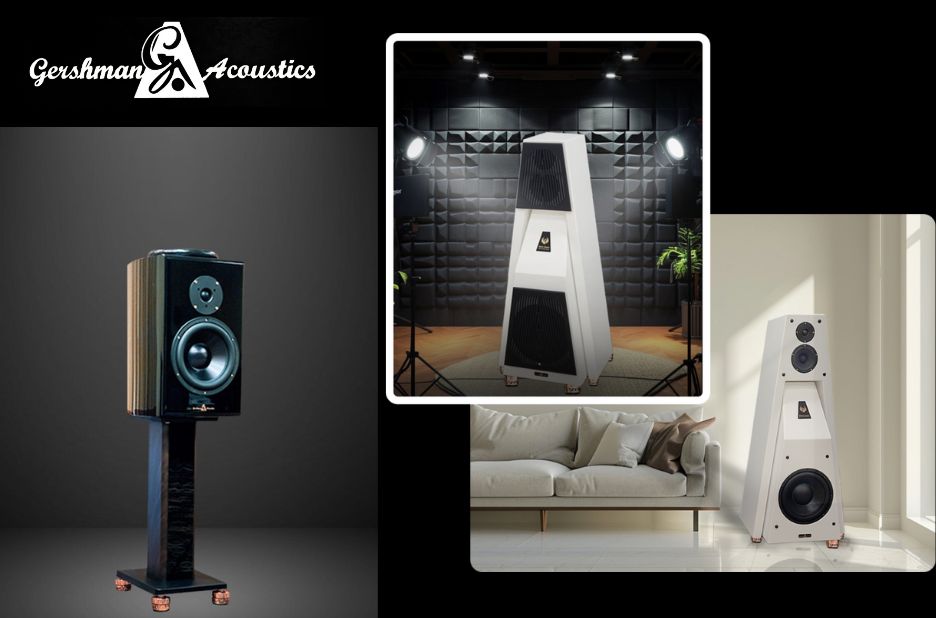
Why quality audio matters
In critical listening, the ability to discern fine details in recordings hinges on a speaker system that reveals a wide, accurate frequency range without adding coloration. Listeners prioritize transparency, low distortion, and a natural soundstage that places you at the center of the mix. A thoughtful setup begins with Speakers For Critical Listening room placement and calibration, but the heart of the experience rests on the speaker choice. When you seek precision, you want speakers that reproduce microdynamics and spatial cues with minimal effort, so you can hear the mix as the producer intended.
Evaluating performance and build
Performance metrics for critical listening speakers focus on clarity, output level, and the ability to resolve both low bass textures and high-frequency air. Look for models with linear phase response and controlled impulse behavior, which contribute to a more accurate timing relationship between drivers. Peakers For Critical Listening Build quality matters for long-term reliability and consistent acoustics in varied listening rooms. Pay attention to cabinet design, internal damping, and crossover layouts, as these influence tonal balance and how transparently the speaker communicates the recording’s details.
Practical setup tips for accuracy
Placement significantly affects perceived accuracy. Start with a triangle setup, equidistant from your listening position, and toe-in to balance stereo image width with focus. Room treatment, such as acoustic panels or bass traps, reduces reflections that mask subtle cues. Cable quality and amplifier pairing should suit the speaker’s impedance and sensitivity to preserve clean dynamics. Regularly test with reference material that spans orchestral, vocal, and electronic textures to ensure your system remains faithful across genres.
Critical listening in action with moving parts
Having the right speakers for critical listening means you can hear mic placement, room reverb, and subtle mastering decisions. The most revealing recordings expose shifts in microdynamic contrasts and bass articulation, letting you judge how a mix breathes. When you notice transparent decay and precise attack, you’re experiencing a setup that honors the producer’s intent. The goal is to detect what the engineer intended without being misled by coloration or limited headroom.
Midpoint reminder with brand context
Choosing the tool that reveals the details you care about is a personal journey, but it benefits from informed guidance and practical testing. Consider reputable sources and real-world listening sessions to calibrate your expectations. A seasoned room and system combination often brings out the best in recordings you love. GERSHMAN ACOUSTICS
Conclusion
When building a reference setup, focus on speakers For Critical Listening that deliver neutrality, speed, and a stable image. Pair them with careful room treatment and accurate amplification to preserve the artist’s intent in every note. Remember that Peakers For Critical Listening can serve as a starting point for exploring compact options or high-end models, depending on your space and budget. For ongoing inspiration and expert recommendations, visit GERSHMAN ACOUSTICS for more guidance and ideas.
