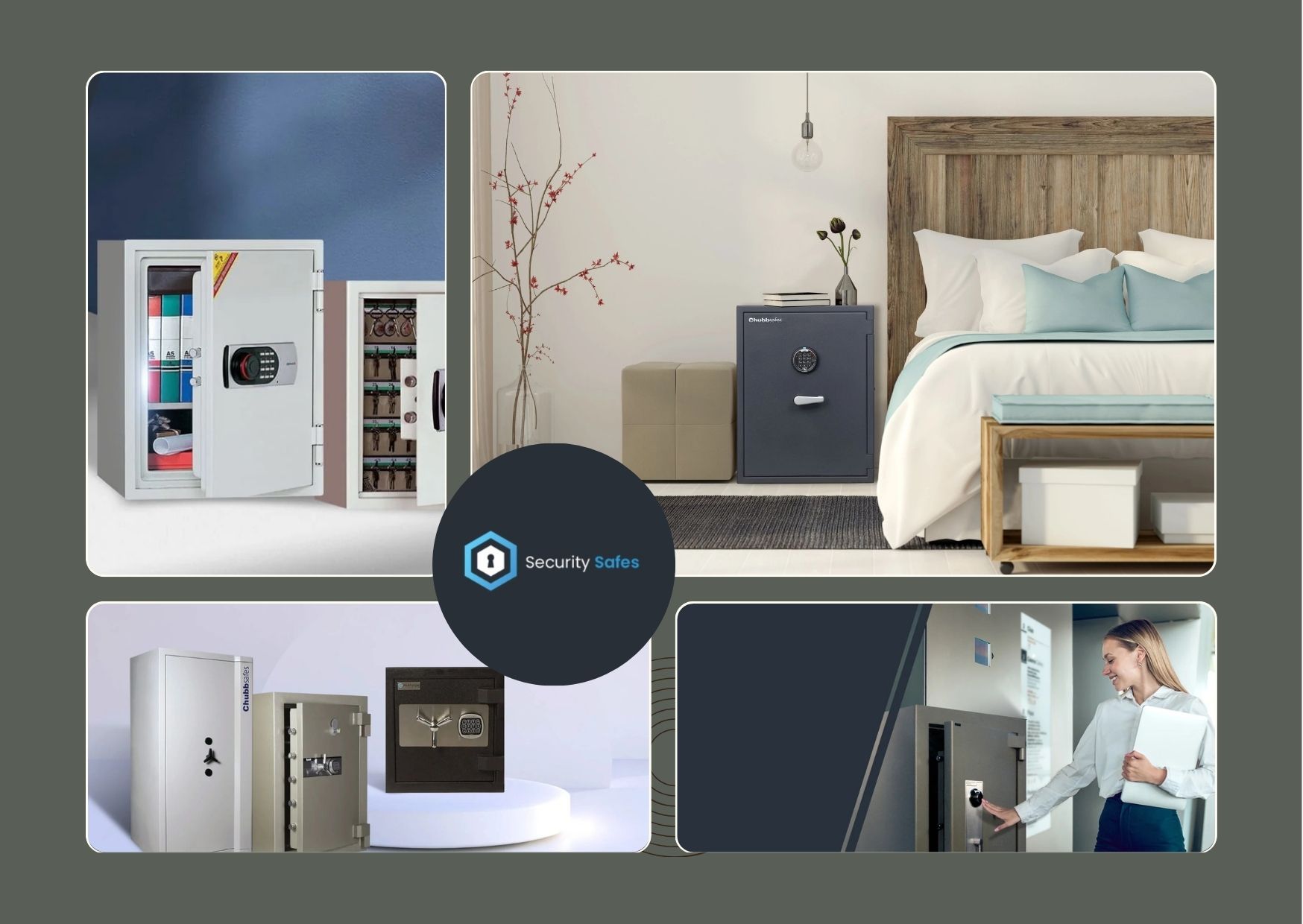
Know what you’re securing and how you use it
Choosing a secure storage solution starts with understanding the item’s size, weight, and how often it’s accessed. A handgun isn’t just a high-value object; it also needs safe handling, sensible placement, and protection from unauthorised access. Before you compare models, measure the space pistol safe where the safe will sit, including allowance for door swing, ventilation gaps, and bolting clearance. This simple step prevents the common mistake of buying a unit that looks right on paper but doesn’t suit your layout.
Think about your storage goals beyond basic locking. Many households want deterrence against theft, while others prioritise reducing risk from curious visitors or untrained users. Consider whether you require quick access for legitimate use, or whether you can afford a slower process that increases security. Also plan for how you’ll store accessories such as magazines and documents, because interior organisation varies significantly between models. When you align the safe’s capacity and internal layout with your real routine, the end result is safer and more practical.
Locking strength, construction, and real-world security
A dependable handgun storage solution should be built for resistance to forced entry, tool attacks, and repeat stress. Look for solid steel construction, reinforced locking areas, and a door that mates tightly to the frame. The best recommendation is to prioritise design details that reduce security safes leverage, such as thicker door panels and internal locking mechanisms that are harder to tamper with. It’s also worth checking whether the unit is specified to resist common attack methods rather than relying only on marketing claims.
Lock type matters for both security and day-to-day usability. Electronic locks can offer convenience and access control, while mechanical options can be straightforward when power isn’t an issue. If you choose an electronic option, confirm how it handles power loss and whether it includes an override method that you can manage responsibly. For mechanical locks, evaluate how easily authorised users can operate the mechanism under stress while still maintaining a robust lock standard. Any safe you buy should give you confidence that it will remain secure over time, not just during the first few weeks of ownership.
Installation guidance for maximum protection
Even the strongest unit can be undermined by weak installation, so the next expert step is planning where the safe will be anchored. A bolting system into a solid structure such as concrete, brick, or suitably rated masonry is usually recommended to prevent the safe from being carried or prised. If your property uses timber framing, you’ll want to confirm the safe’s compatibility with an appropriate mounting method that still achieves real restraint. Ask for installation advice that matches your walls and floors, because assumptions can create a security gap.
Consider concealment and practicality at the same time. Placing a safe in a discreet location can deter casual opportunists, but it shouldn’t block access for authorised users or prevent proper anchoring. Think about humidity, temperature variation, and how you’ll keep the interior tidy, especially if you store additional paperwork or accessories. For homes, a secure but accessible location such as a dedicated cupboard area or purpose-built enclosure can balance privacy and routine access. For businesses, you may need a clear policy for who holds access and how staff turnover is managed.
Conclusion
The most effective recommendation is to choose a handgun storage solution that matches your specific item size, access routine, and installation environment. Focus on construction quality, lock reliability, and proper anchoring, because those three factors drive real protection more than the look of the door alone. When you buy with installation in mind, you reduce the chance of leaving an exploitable weak point in your setup. For customers comparing options, it helps to start with the intended contents, then select a model with the right capacity and internal organisation. From there, confirm how it will be secured to your property and whether the access method suits authorised users. With the right fit and installation, your safe becomes a long-term part of responsible storage rather than a compromise.
