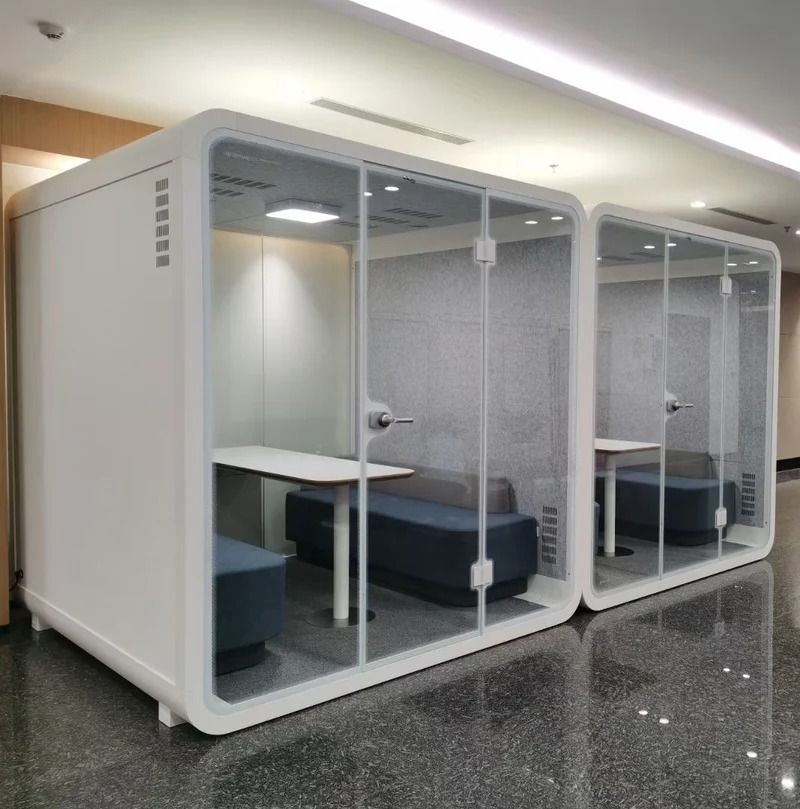
Start with the problem: where calls and noise collide
Before buying a private workspace enclosure, map exactly what you need to fix. Most teams don’t just want quieter space; they want calls that stay intelligible and interruptions that remain minimal. phone booth for office space Look at where your highest-value conversations happen—sales calls, client support, team standups, or interviews—and note how sound travels from nearby desks, meeting rooms, hallways, or open-plan kitchens.
Then decide what “privacy” means in your environment. Some buyers need confidentiality from people outside the room, while others mainly need to reduce distracting background noise. If you’re operating in a shared office, you may also need a solution that supports natural workflow, such as quick access, comfortable seating, and a clear view of signage or schedules outside the pod. Treat this step like a requirements interview, because the right enclosure matches your actual failure points, not a generic expectation.
Buyer-ready specs checklist for phone booth setups
Prioritize acoustic performance, because soundproofing determines whether conversations remain understandable inside and muted outside. Ask how the booth handles common frequencies from speech, keyboard soundproof phone booth office noise, and HVAC hum, since these are the sources that typically break call quality. Also confirm that the interior space supports the way you work—standing calls, seated work, or short sprints between tasks.
Next, review the practical details that affect day-to-day use. Consider cable access for charging and devices, especially if you rely on laptops or softphone systems. Finally, think about placement: choose a location with minimal vibration sources and allow enough clearance for the door swing and safe entry, so the space stays usable without friction.
Match the booth type to your workflow and team size
Not every enclosure works for every office layout, so align the booth type with your workflow. If you take frequent calls throughout the day, choose a model that supports quick, repeat use and keeps occupants comfortable for longer conversations. If you primarily need focused phone calls for one or two people at a time, a compact pod can be more efficient than a larger room, especially in dense office floors. For teams that alternate between calls and short quiet work sessions, select a design that feels like a functional micro-office rather than a storage alcove.
You should also consider how many booths your space can support and how booking will work. Buyers often underestimate scheduling friction, which can lead to “workarounds” that defeat the purpose of acoustic separation. If possible, set up a simple reservation routine so employees can plan calls without rushing. If your office is small, a single high-performance enclosure can still deliver major impact by reducing spillover noise from the loudest activities.
Conclusion
Choosing the right private enclosure is less about aesthetics and more about matching acoustic control to real communication needs. Start with the noise and privacy problems you want to solve, then confirm the acoustic, comfort, and usability specs that support day-to-day calling. Buyers who take this approach avoid overspending on features they won’t use and underbuying on sound control where it matters most. For teams ready to upgrade their workspace, soundboxstore offers practical office pods and booths designed to support distraction-free communication and clearer conversations. With a focus on privacy and noise control, you can create a dedicated space for calls without sacrificing collaboration elsewhere in the office. If you’re evaluating an office pod purchase, use the checklist above to compare options confidently and choose the enclosure that fits your workflow best.
