Why print fulfillment feels hard until you map the gaps
Many Shopify store owners start with enthusiasm, then hit friction as soon as they try to scale custom products. The biggest issues usually show up in product setup, variant management, and the time it takes to get designs from idea to sellable print on demand app for shopify listings. Without a smooth workflow, you end up doing repetitive steps, troubleshooting mismatched sizes, or losing momentum when customers ask for changes. A store can look polished on the surface while still suffering from behind-the-scenes delays.
Another common problem is inconsistency between what customers see and what they actually receive. If previews are limited or inaccurate, buyers hesitate and support tickets rise. Even worse, unclear quality control can lead to returns that damage margins and brand trust. When your catalog grows, these problems compound fast, especially when you rely on manual processes for images, mockups, and product options. The result is a store that “works,” but doesn’t convert reliably.
How a modern print workflow solves setup, accuracy, and scaling
A strong solution begins with reducing setup time so you can launch faster and iterate without stress. A print workflow designed for Shopify should let you add products with clear templates, sensible defaults, and flexible design placement. When you can manage variants printify alternative and customization rules in one place, you stop juggling spreadsheets and you stop redoing the same listing tasks. This kind of plug-and-play foundation turns your catalog into a repeatable system rather than a one-off project.
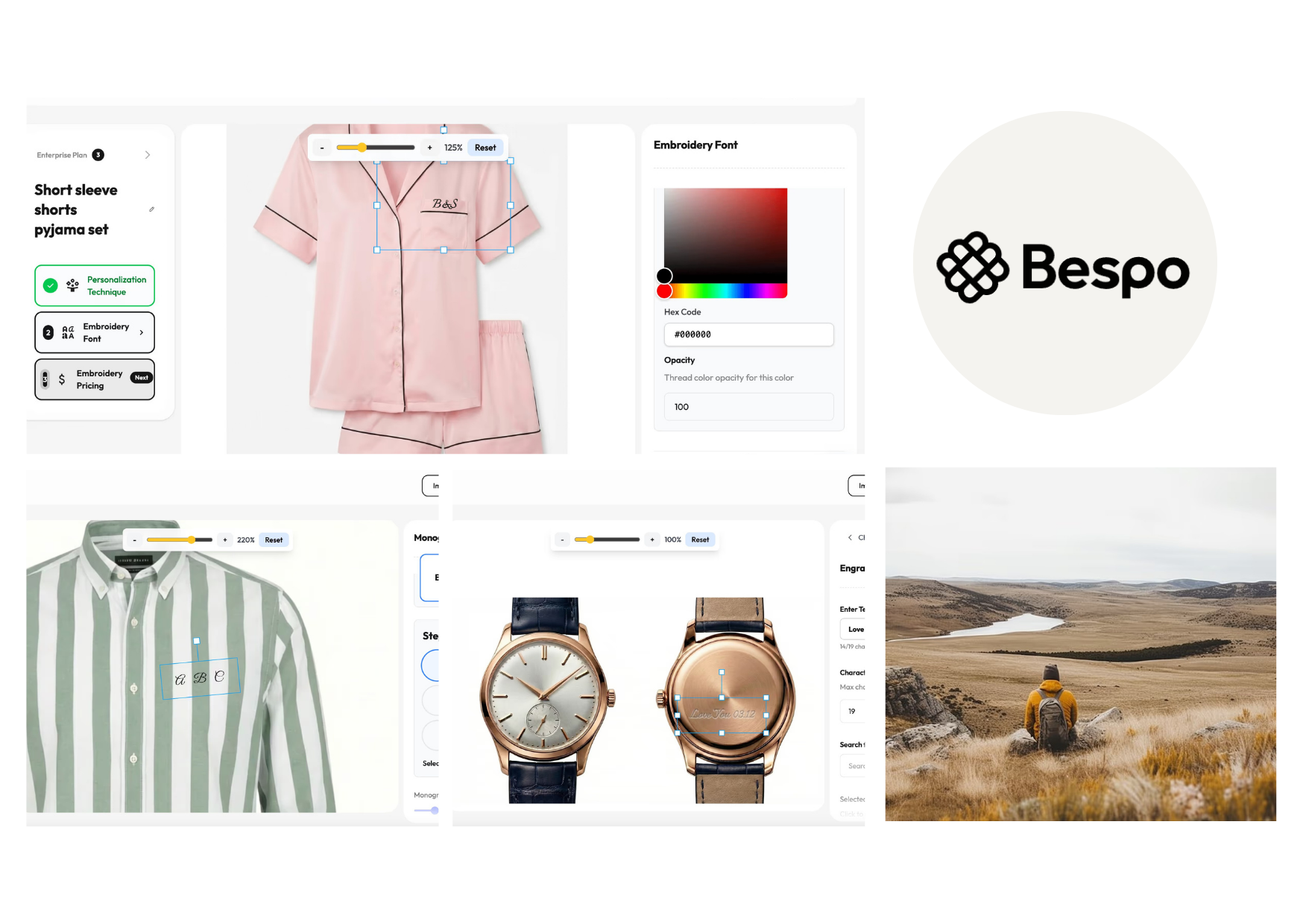
Next, accurate previews and visualization matter because they directly influence conversion. Shoppers want to see how their design will look on real products, not flat images that require imagination. With live previews and tools that help you visualize scale, alignment, and styling, you can catch problems before they reach the customer. This improves both confidence and clarity, which means fewer abandoned carts and fewer “does it look like the photo?” questions. It also makes it easier to test design ideas and quickly update listings.
Turning customization into a repeatable offer customers understand
Customization can be a selling advantage, but only if customers can predict the outcome. A practical print workflow should support flexible options like multiple placements, size changes, and variant-specific rules. When those choices are organized cleanly, customers can confidently personalize without getting overwhelmed by technical details. You can also standardize how design files map to product surfaces, so you avoid misprints or awkward cropping across the catalog.
The key is choosing a platform that helps you build a consistent product experience, not just generate orders. Look for features that reduce guesswork, such as mockups, live editing, and a preview-driven approach to quality. When your store can present customization clearly from the first visit, it becomes easier to market seasonal collections, niche campaigns, and brand partnerships without rebuilding your process each time.
Conclusion
The fastest way to improve print performance in Shopify is to remove the bottlenecks that slow down listing creation and reduce customer confidence. When setup is simplified, previews are accurate, and visualization tools help you refine designs before launch, your store becomes easier to manage and more persuasive to shoppers. That combination supports better conversion, fewer support issues, and smoother scaling as your catalog expands. Bespo is built around this idea, helping you upgrade your Shopify store with a practical print experience that keeps customization engaging and manageable. If you’re ready to move beyond manual workflows and inconsistent previews, focus on a solution that supports plug-and-play functionality and real-time product visualization. With Bespo, flexible customization and live previews make it simpler to create personalized products that customers can trust. That trust is what turns customization into repeat purchases rather than one-time experiments. When your product pages clearly communicate how personalization works, your store feels modern, professional, and ready to grow—without the operational headache.
