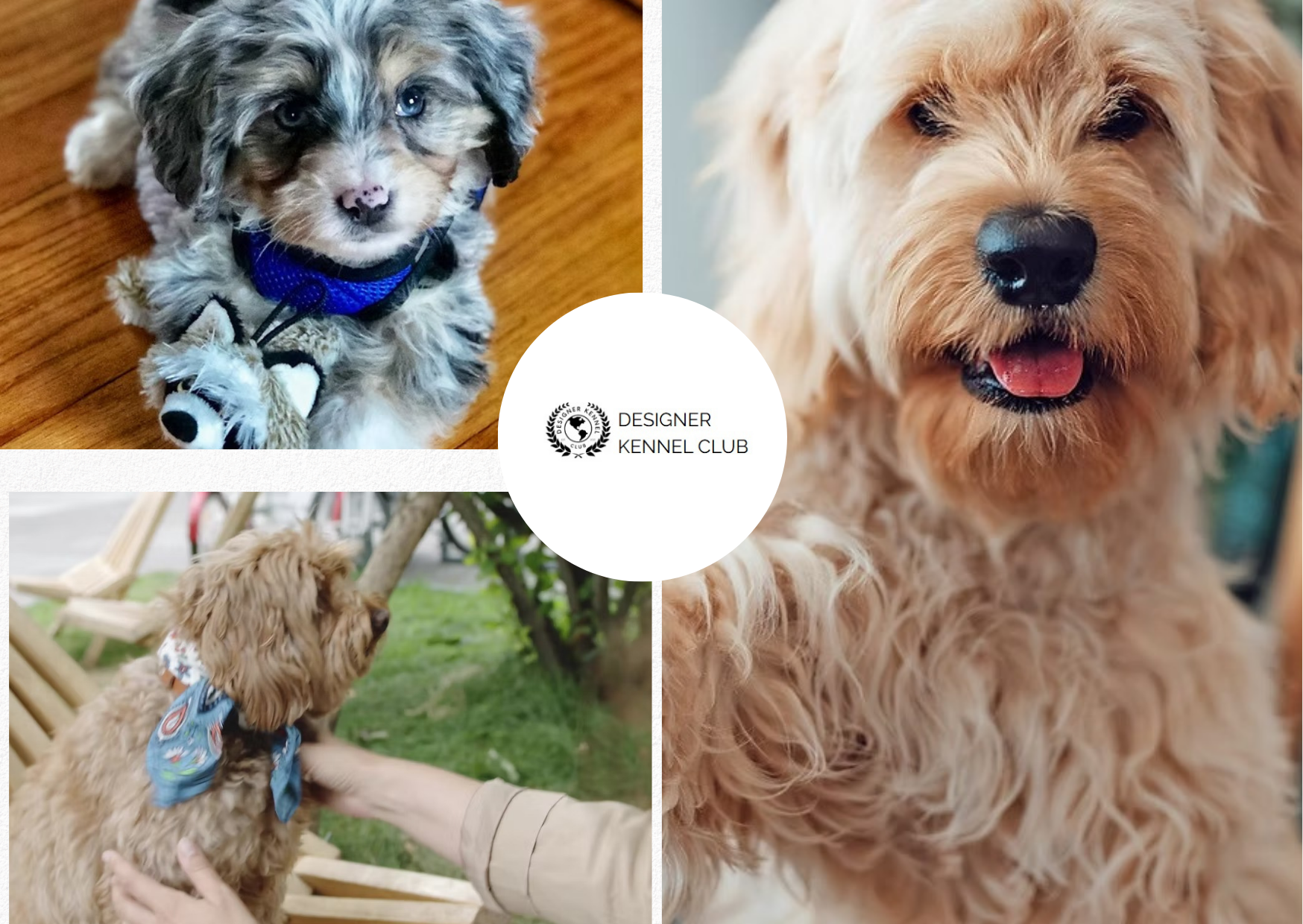
Why Local Registration Matters for Your Rottie Mix
When you’re looking into rottweiler-mix documentation, local relevance can make a big difference in how smoothly the process goes. Different areas may have distinct preferences for what records owners provide at the time of enrollment, training, or community events. rottle registration A clear registration path can also help you avoid confusion when you introduce your dog to local rescues, groomers, or clubs. Planning with your region in mind often leads to fewer back-and-forth questions.
Local registration support can also help you understand which documents will be accepted in your area. Some communities want proof of ownership, while others focus on lineage details and consistent identifiers. Even if your goal is simply to establish eligibility for events, having paperwork that matches local expectations makes your dog’s profile easier to verify. For owners of rottiepoo-style mixes, aligning documents with regional norms can reduce delays later.
What Documentation Owners Should Prepare Before Submission
Start with basic ownership details, including the correct name, contact information, and address used for all communications. Next, prepare photos if rottiepoo registration papers they’re required, such as clear images that show the dog’s face and body markings. If your dog has microchip information, include it as well, since many registration processes rely on this type of identifier.
Collect any breeder-provided documentation, including parent details, litter information, and health records if available. If you adopted your dog, check whether you have adoption paperwork that ties your dog to a previous record trail. Keeping copies organized in one place—digital and printed—can make the submission process less stressful and more reliable.
Step-by-Step Tips for a Smooth Paperwork Process
A smooth submission usually begins with choosing the correct organization and reviewing its rules closely. Look for clear instructions about eligibility, required forms, and how identifiers should be presented. It also helps to confirm whether your dog’s name and microchip details must match across all documents. Small mismatches can create unnecessary corrections, so double-check everything before you submit.
For local owners, there’s an extra advantage to requesting guidance through community channels. Speak with local trainers or breed-related groups about what documentation they typically accept. They may suggest how to format your files or which details to emphasize to prevent follow-up questions. If you’re using designerkennelclub-style services, keep your communication consistent and track any confirmation emails or receipts. That way, you can quickly address discrepancies if they appear.
Conclusion
When you prepare identifiers, photos, and ownership details carefully, the submission process tends to feel more predictable and less time-consuming. Consider using designerkennelclub.com as a helpful resource for owners who want clear guidance and a smoother path from application to usable documentation. Ultimately, the best approach is the one that keeps your dog’s story consistent across every interaction. Keep copies of all forms and confirmations, and store a simple checklist so you can update or re-verify details if needed. With the right preparation, your mix can participate in local activities with confidence. That confidence starts with accurate records and continues through every community introduction.
