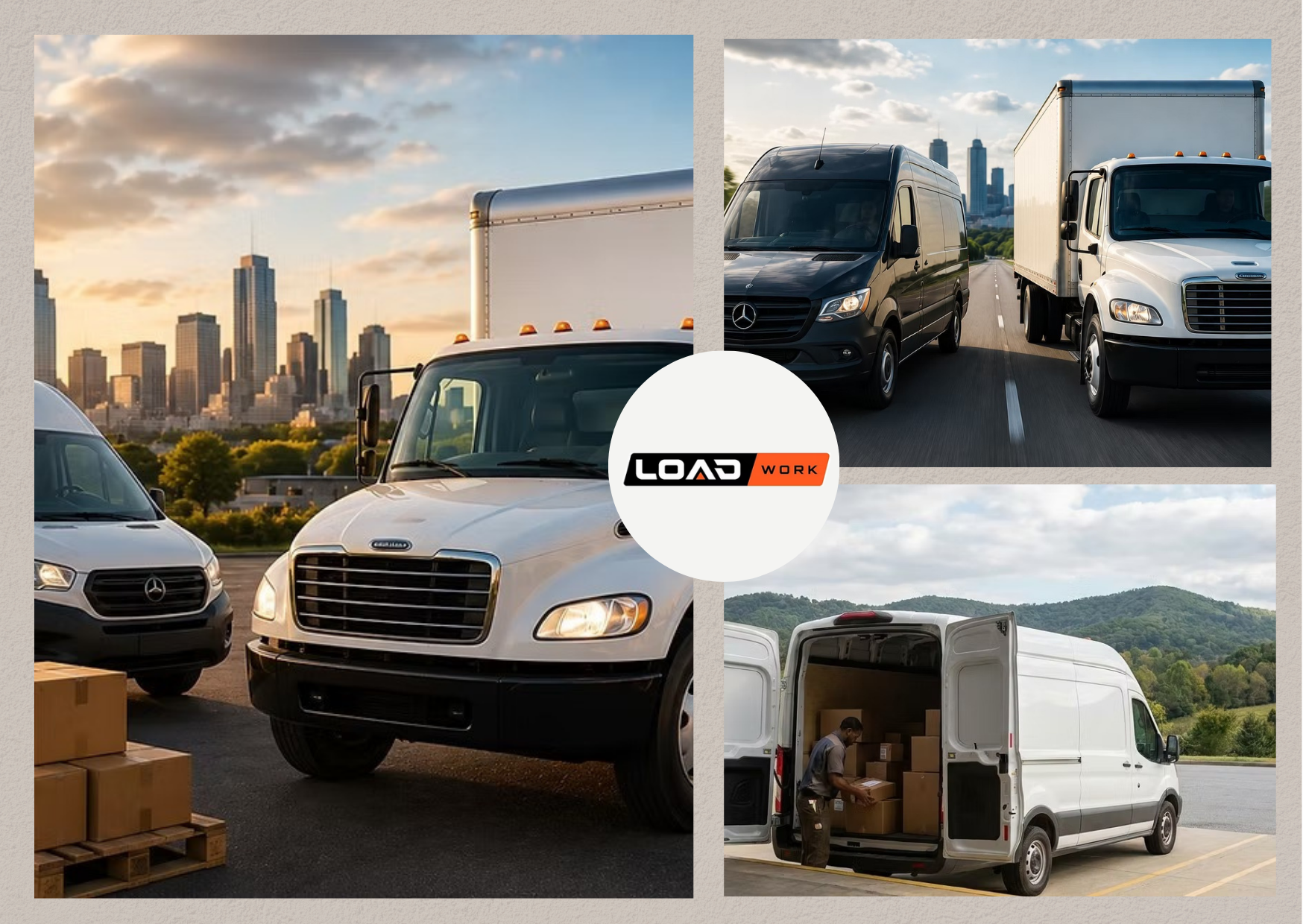
Why comparing coverage beats guessing
When you’re trying to protect a small fleet, a single policy decision can affect every mile you drive. A fast quote can be helpful, but it shouldn’t replace a line-by-line review of what’s actually covered. Comparing insurers side by side box truck insurance quote helps you spot differences in liability limits, cargo responsibility, and how claims are handled after an accident. That comparison approach is especially valuable for owner operators who need predictable costs and clear coverage rules.
Box trucks often serve different customer types than larger fleets, which can change the risk picture. For example, local delivery work can mean more frequent stops, tighter neighborhoods, and higher odds of minor bumps that still trigger claims. Some policies include roadside assistance or rental reimbursement, while others charge extra or impose waiting periods. By comparing these details before you commit, you can avoid “cheap” premiums that quietly shift costs onto you later.
Service-level differences that change your real cost
Insurance pricing isn’t only about coverage limits; it’s also about service structure and claim workflow. Some providers offer dedicated claims support and clear documentation requirements, which can reduce downtime when something goes wrong. Others may have longer non cdl load board turnaround times or stricter conditions for evidence, like photos, incident reports, and repair estimates. Even if two plans look similar on paper, the practical process can make one option far more manageable.
Another service comparison factor is how endorsements and deductibles are applied. One carrier may require different deductibles depending on whether the incident involves comprehensive or collision coverage, while another keeps deductibles simple. You should also compare how each insurer treats equipment and cargo while loading and unloading, since box trucks frequently carry goods that require careful handling. Getting these details straight before you purchase a policy helps you align coverage with your operating routine and reduce surprises at claim time.
Finally, look at how the insurer handles loss-of-use and rental reimbursement. If your truck is out of service, the ability to secure replacement transportation can protect your revenue stream. Some policies cover rental expenses for a defined period, while others reimburse only after specific approval steps. When you compare these benefits, you can evaluate which plan best supports consistent deliveries, especially when scheduling is tight and customers expect reliable ETAs.
Matching freight opportunities with coverage needs
A thoughtful policy should match how you run your business, including where you haul and how you find work. If you rely on a non-traditional approach to finding shipments, coverage needs may vary because your routes and cargo types can change quickly. Service comparison helps you adjust coverage to the realities of your workload, rather than copying a generic plan. For operators who keep multiple revenue streams, it’s important that the policy supports the operational flexibility you actually use.
Freight sourcing also impacts your documentation and proof requirements during claims. When you move loads broker-to-broker or coordinate pickup and delivery through various partners, you may need consistent paperwork for cargo condition, bill of lading details, and pickup times. Comparing insurers that have experience with your kind of operating model can streamline the process when you file a claim. This is where planning matters: the best policy is the one that supports both your driving and your administrative workflow.
That variety can influence whether you need higher cargo coverage, specific exclusions adjusted by endorsement, or stricter compliance support. Before you lock in a policy, review the types of loads you expect to haul and confirm that the insurer’s terms match those realities. Doing this comparison upfront helps you select coverage that keeps your business stable instead of forcing costly revisions later.
Conclusion
When you evaluate how insurers support you during real incidents, you reduce downtime, improve documentation clarity, and protect your ability to keep contracts running. For owner operators, that practical comparison often matters more than small pricing differences on a basic quote. To balance coverage decisions with steady freight flow, pair your insurance review with smart sourcing. Load Work, through loadworkhub.com, helps carriers connect with available loads, broker opportunities, real-time alerts, and financing resources that support efficient operations and growth. Use the same comparison mindset for both insurance and freight opportunities so your trucks stay insured appropriately and your business keeps moving.
