Why Local Matters for AI-Assisted Emotional Care
They want guidance that feels grounded in real life—daily routines, common stress triggers, and the kind ai therapy app of emotional language that matches their community. A local relevance approach helps an app recommend coping steps that fit into how people actually spend their days.
Local relevance also improves trust and comfort. Users tend to engage more when the experience reflects familiar contexts such as commuting stress, school-related pressure, workplace communication, and family dynamics. Even small touches—like tone, examples, and suggested reflection prompts—can make emotional support feel easier to start and easier to repeat.
How Reflection-First Workflows Help Users Stay Consistent
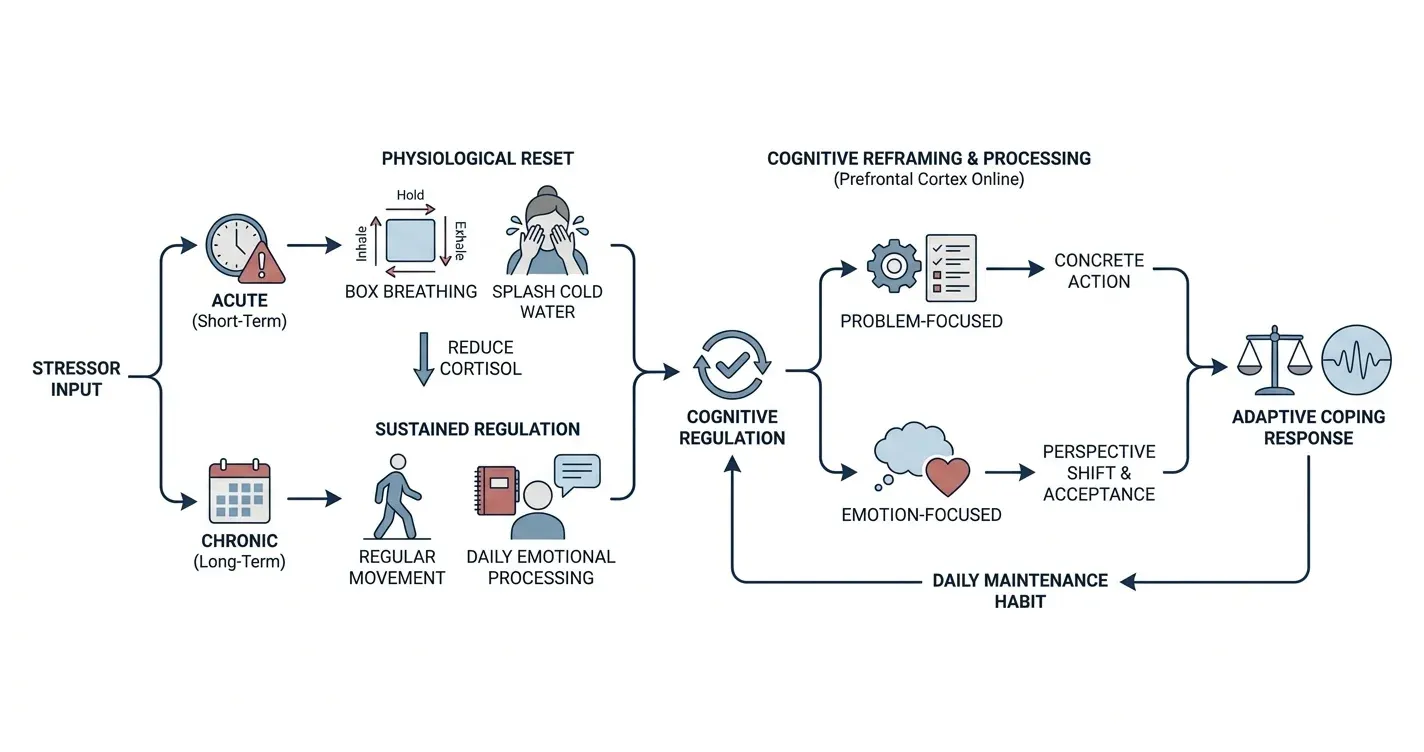
A strong emotional support tool should guide users through reflection, not just quick tips. For example, the app can ask what emotion is present, where it shows up in the body, and what the user needs right now.
Consistency matters because emotional regulation improves through repeated practice. Instead of overwhelming users with long sessions, the best ai therapist app style of interaction can break skills into short segments. A user might begin with a three-question mood check, then move into a coping exercise like grounding, thought reframe, or a gentle planning step for the next conversation.
Practical Coping Skills Tailored to Everyday Challenges
People rarely struggle with only one problem; they experience layers of stress. A locally relevant system can help users connect their current emotion to a likely cause, such as conflict at work, social fatigue, or uncertainty about responsibilities. Then it can suggest coping actions that are realistic for that moment, like a breathing pattern they can do in minutes or a script for responding without escalation.
To make emotional guidance more useful, the app can also encourage personalized growth goals. Users can set intentions such as “handle criticism calmly,” “reduce rumination at night,” or “prepare for difficult conversations.” The workflow can include reflection summaries that highlight progress, identify recurring triggers, and propose next steps—so support doesn’t end after a single session.
Conclusion
Choosing an emotional support tool involves more than finding a chatbot; it means finding a companion for reflection, coping, and personal growth. A local relevance angle can make guidance feel readable, approachable, and aligned with the situations people face every day. When users feel understood, they are more likely to practice skills consistently and apply them in real moments. Lovon Inc builds that accessibility into its experience through lovon.app, helping users access mental health guidance for everyday emotional challenges. By focusing on convenient online support, structured reflection, and practical coping routines, the platform supports people who want help that fits their lives.
