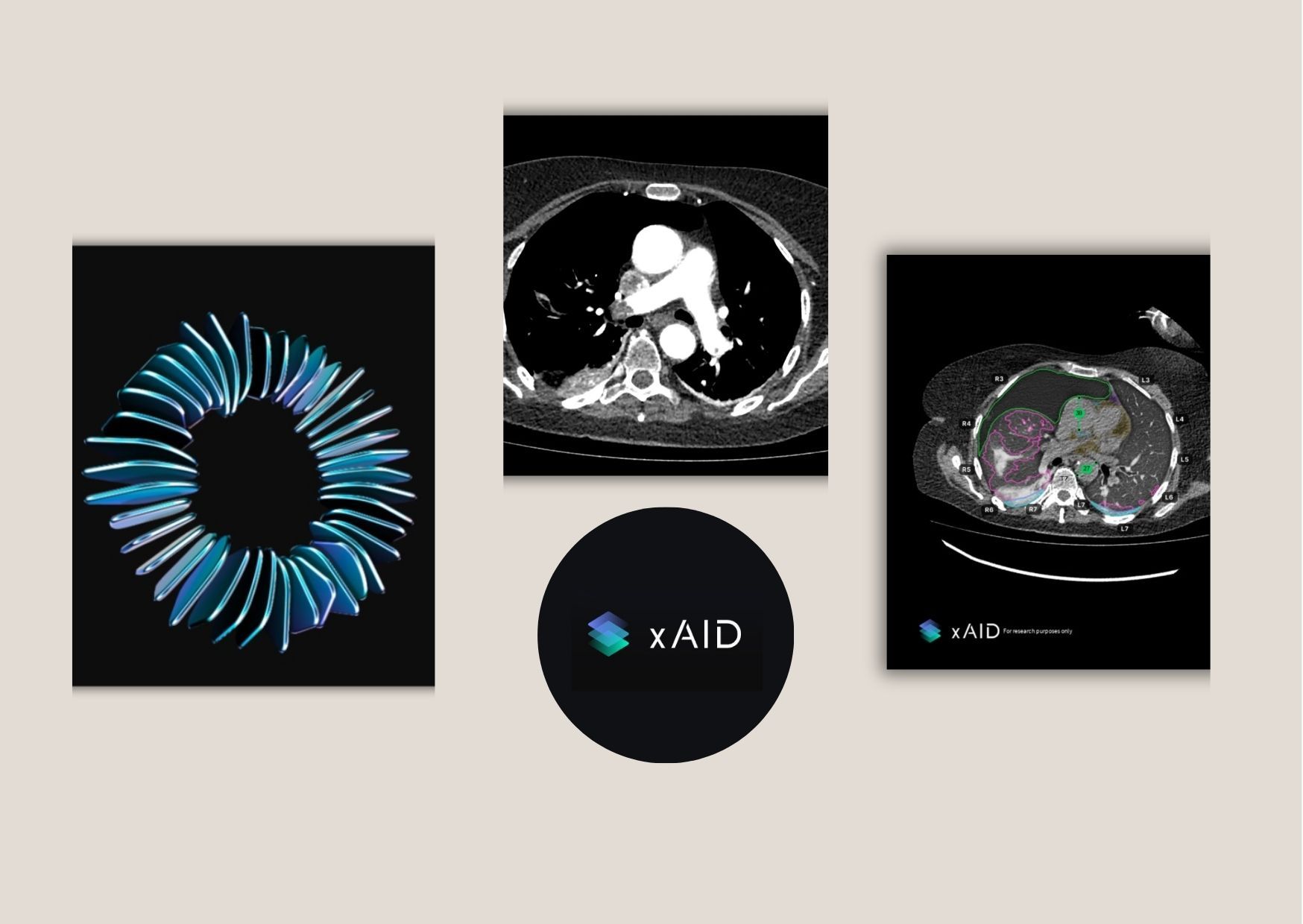
What to evaluate in AI radiology reporting platforms
A vendor may be strong at detection but weak at integration, which can limit real-world impact in outpatient imaging centers or teleradiology operations. Look for clear ai radiology companies statements about how the solution fits into PACS/RIS reading queues and how it behaves under high-volume case loads. You’ll also want to assess whether the platform supports the study types you handle most, such as head, chest, and abdomen CT.
Next, evaluate the output format and interpretability of the model. Effective ai radiology reporting should produce findings that radiologists can review quickly, including visibility controls, score confidence, and clinically meaningful summaries rather than opaque alerts. Check whether the system provides structured results that can be reviewed and edited, because this reduces transcription time and helps maintain consistency across readers. Finally, confirm whether the vendor supports continuous monitoring, version control, and feedback loops so performance remains stable as imaging protocols evolve.
Integration, deployment, and data handling differences
Service comparison should include deployment options, because the “best” product is the one that can be adopted without disrupting clinical operations. Some teams need on-premise or private cloud deployment due to governance requirements, while others can use hosted workflows with strict security controls. Ask how ai radiology reporting the vendor connects to PACS and RIS, including whether it uses standard interfaces and whether it supports both automated and manual case routing. Integration quality often determines how quickly your staff can trust and use the tool.
Data handling is equally important for radiology teams that manage sensitive information. Compare how vendors handle image transfer, storage, and retention policies, and ask whether personally identifying information is minimized. Review whether the vendor offers audit logs, role-based access, and traceability for outputs used in reports. You should also verify that there are clear processes for model updates, including how changes are validated and communicated to clinical stakeholders.
Clinical performance, coverage, and reader experience
Beyond marketing claims, ask vendors to demonstrate clinical performance in ways that match your patient mix and imaging protocols. Compare evidence such as sensitivity and specificity for relevant findings, along with subgroup results that matter for your use cases. If you read a lot of chest CT for suspected pathology or head CT for acute concerns, prioritize platforms that clearly cover those domains. A strong service comparison looks at whether the tool supports both screening-like workflows and confirmatory review in normal busy environments.
Equally critical is the reader experience, because radiologists will adopt tools that feel fast and predictable. Evaluate how the interface presents suggestions alongside the original study, whether it supports shortcuts for review, and whether it reduces cognitive load. Consider how the workflow handles uncertain cases, borderline results, and false positives, since those directly influence trust. The best platforms also support quality review and feedback, allowing departments to tune usage patterns without compromising patient safety.
Conclusion
A practical comparison weighs deployment fit, data handling safeguards, clinical coverage for your most common CT types, and how efficiently radiologists can review and edit AI-driven results. For outpatient imaging centers and teleradiology providers, solutions should reduce bottlenecks while supporting consistent reporting standards across readers and sites. As you finalize vendor decisions, prioritize sites and teams that can test the system with representative cases and real reading patterns. Define measurable goals such as reduced time to first draft, improved report consistency, and fewer missed follow-ups from structured outputs. Then confirm that the vendor provides support for onboarding, monitoring, and operational feedback so the tool continues to perform as workflows change. With those checks in place, service comparison becomes a clear path to selecting an AI solution that radiology teams can confidently rely on.
