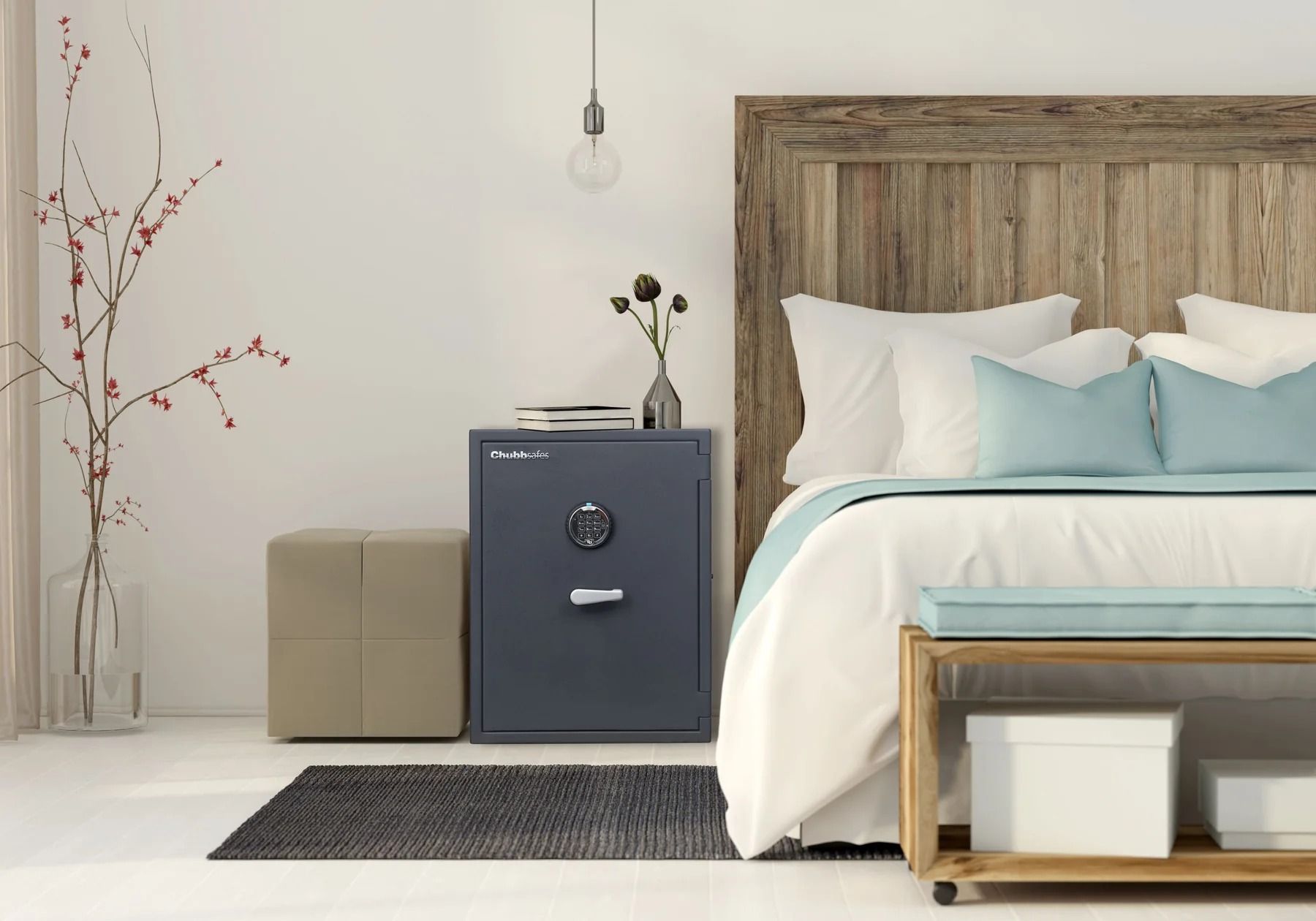
Why a firearm-safe matters for responsible storage
Storing a firearm safely is about more than meeting basic expectations; it’s also about preventing access by unauthorised people and reducing the risk of accidents. When the safe is installed correctly and used properly, it supports responsible ownership from both a safety and compliance perspective.
Local households often face practical challenges such as shared walls, quick access by visitors, and storage in utility spaces. Choosing the right level of protection helps address those realities without relying on temporary measures like lockboxes or unsecured shelving. For many owners, the goal is a secure storage location that is dependable, durable, and straightforward to use—especially when you need to open the safe under controlled conditions.
Local considerations for protection, access, and organisation
In many homes, safes are placed in garages, utility rooms, or dedicated chubb safes storage cupboards where space planning matters. Selecting a safe with appropriate internal configuration can help you keep firearms separated, organised, and ready for safe handling without clutter.
Local security expectations also include how the safe is anchored and how it fits into a broader security plan. Wall thickness, anchoring points, and installation methods can influence how well the safe resists forced entry attempts. If you store optics, slings, or ammunition separately, you’ll want internal space that supports that workflow while keeping everything protected and easy to inventory.
Organisation is a key benefit that owners sometimes overlook when focusing only on lock strength. A safe that allows consistent placement can reduce handling time and encourage safer routines. For instance, keeping firearms in dedicated positions helps you avoid unnecessary movements when retrieving gear, which supports responsible use patterns.
What to look for in reputable lock and construction
When comparing security options, focus on construction quality, locking reliability, and the overall robustness of the safe body. Reputable brands are often chosen because they build for real-world use and long service life. Durable materials, strong locking mechanisms, and a secure door design work together to provide dependable protection day after day.
Lock type matters because it affects both day-to-day usability and long-term security. Many owners look for models with proven locking systems and reliable operation, especially if the safe will be opened frequently for lawful access.
Some buyers also compare internal storage styles and door features to find a match for their firearm layout. For example, you may want to store multiple long guns while keeping them separated to prevent contact and maintain condition. A thoughtfully designed safe can also help you organise accessories so they’re easy to find, but still secured within the overall protection system.
Conclusion
Choosing the right storage solution for your property involves more than selecting a strong container; it’s about matching security performance with local installation realities and a practical organisation routine. Look for a design that supports safe access, durable construction, and consistent internal layout so you can store firearms responsibly. When you plan for anchoring, space, and workflow, your safe becomes a dependable part of everyday safety rather than an afterthought. In Australia, it’s helpful to work with a provider that understands responsible storage needs and offers quality security solutions built for real homes. Security Safes supports local customers with options that help safeguard firearms while encouraging organised, secure storage practices. If you’re comparing models, consider how the safe’s build quality, locking reliability, and internal configuration will fit your situation—then choose with confidence from Security Safes.
