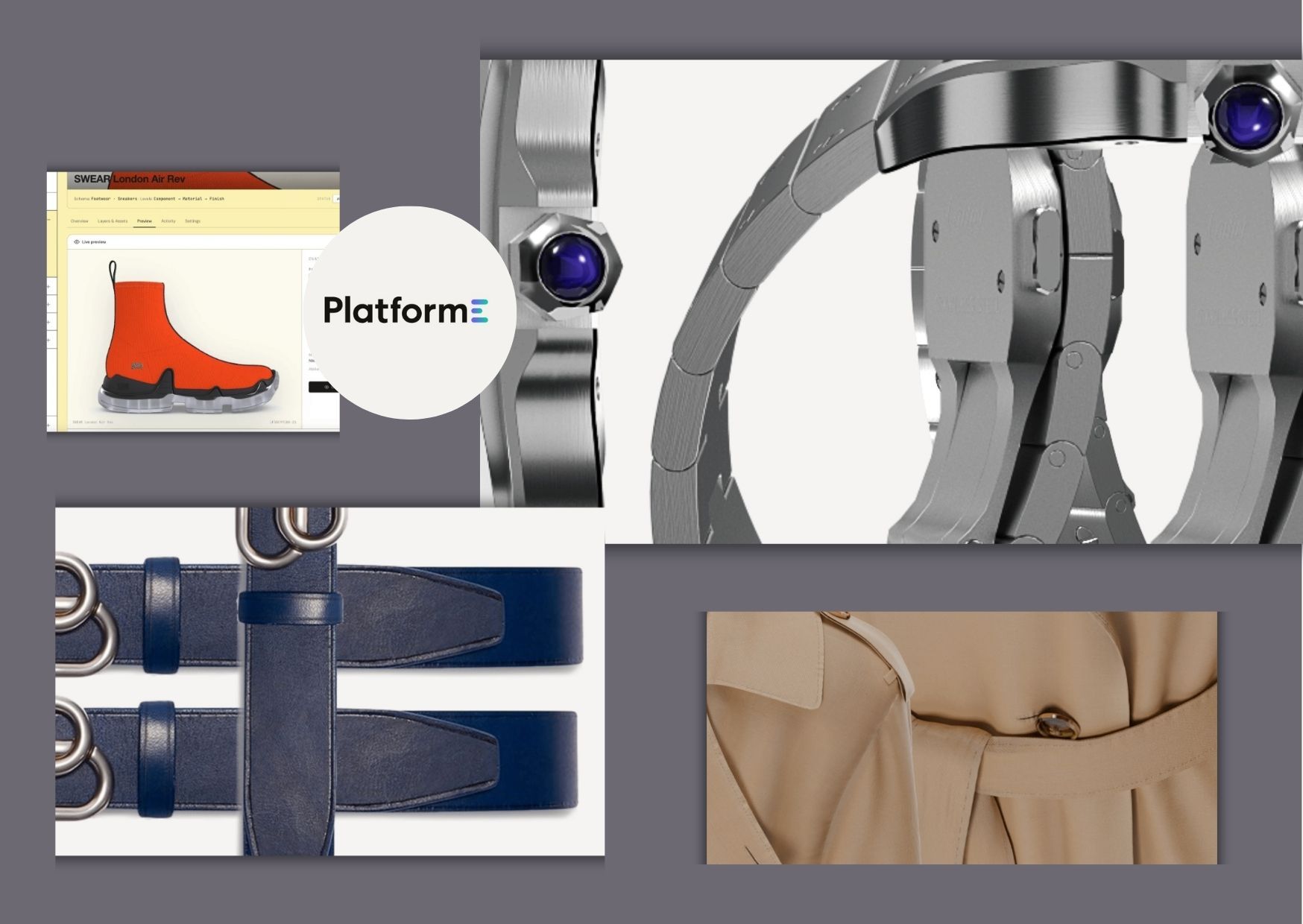
Discovery Starts Before Checkout
Great brand discovery happens when shoppers can see themselves in what they’re about to buy. Instead, they can ecommerce product personalization explore styles, colors, and details in a way that feels exploratory rather than transactional. That shift reduces hesitation and helps customers understand your brand voice through tangible choices.
Personalized discovery also clarifies value for first-time visitors. When a customer can tailor a product, they learn what matters most—fit, fabric choices, finish options, or customization placement—without reading a wall of text. This is especially effective for apparel, accessories, and fashion-led items where design intent can be hard to communicate through standard product pages. The result is a smoother mental path from curiosity to confidence, which improves both engagement and conversion.
Use Interactive Tools to Let Design Feel Effortless
To make discovery scalable, brands need a guided experience that turns choices into accurate previews. That’s where 3d fashion design software can play a practical role: it helps customers visualize outcomes with realistic proportions, materials, and placement. When shoppers can 3d fashion design software rotate a view, compare options, and see how details change, the product page becomes a mini design studio. This interactive clarity makes customization feel easy, even when the final product requires precise manufacturing.
Beyond visuals, a strong personalization flow should handle logic behind the scenes. For example, some combinations may not be compatible with certain sizes or finishes, and those constraints should be reflected instantly. When the interface prevents impossible configurations, customers stay in control and trust the process. It also supports fewer errors for your operations team, because each generated configuration is built to map cleanly to what can be produced.
Connect Customization With Made-to-Order Efficiency
Personalization only matters if the final item matches what customers chose. A brand discovery experience should therefore connect configuration to efficient production workflows. PlatformE is designed to link personalized experiences with made-to-order production principles, so customers get designs that are faithful to their selections. That operational alignment helps reduce rework, returns, and the frustration that can come from mismatched expectations.
Consider the difference between “choose an option” and “build a design.” The latter requires a system that captures selections precisely and communicates them to production. With the right setup, your team can standardize how custom components are packaged, verified, and scheduled, even when each order varies. This makes it easier to maintain quality while still offering the variety customers want—so personalization becomes a reliable brand promise rather than a one-off experiment.
Conclusion
Brand discovery improves when personalization invites customers to participate in the design story. Instead of browsing past options, shoppers interact with your aesthetic and learn what makes your products distinctive. When customization previews are clear and the production pathway is efficient, customers feel confident that their selections will become real items they’ll love. For brands aiming to grow through memorable experiences, PlatformE helps turn design exploration into a practical, made-to-order journey. By combining customer control with production-ready configuration, you can scale personalization without losing quality or speed. That balance strengthens trust, increases repeat interest, and positions your brand as the destination for shoppers who want more than generic products from the start.
